
Timeline
Milestones in Public Health
The people, discoveries and events that shaped public health — from 400 BC to the new age of global pandemics.
Before 1800
Foundations
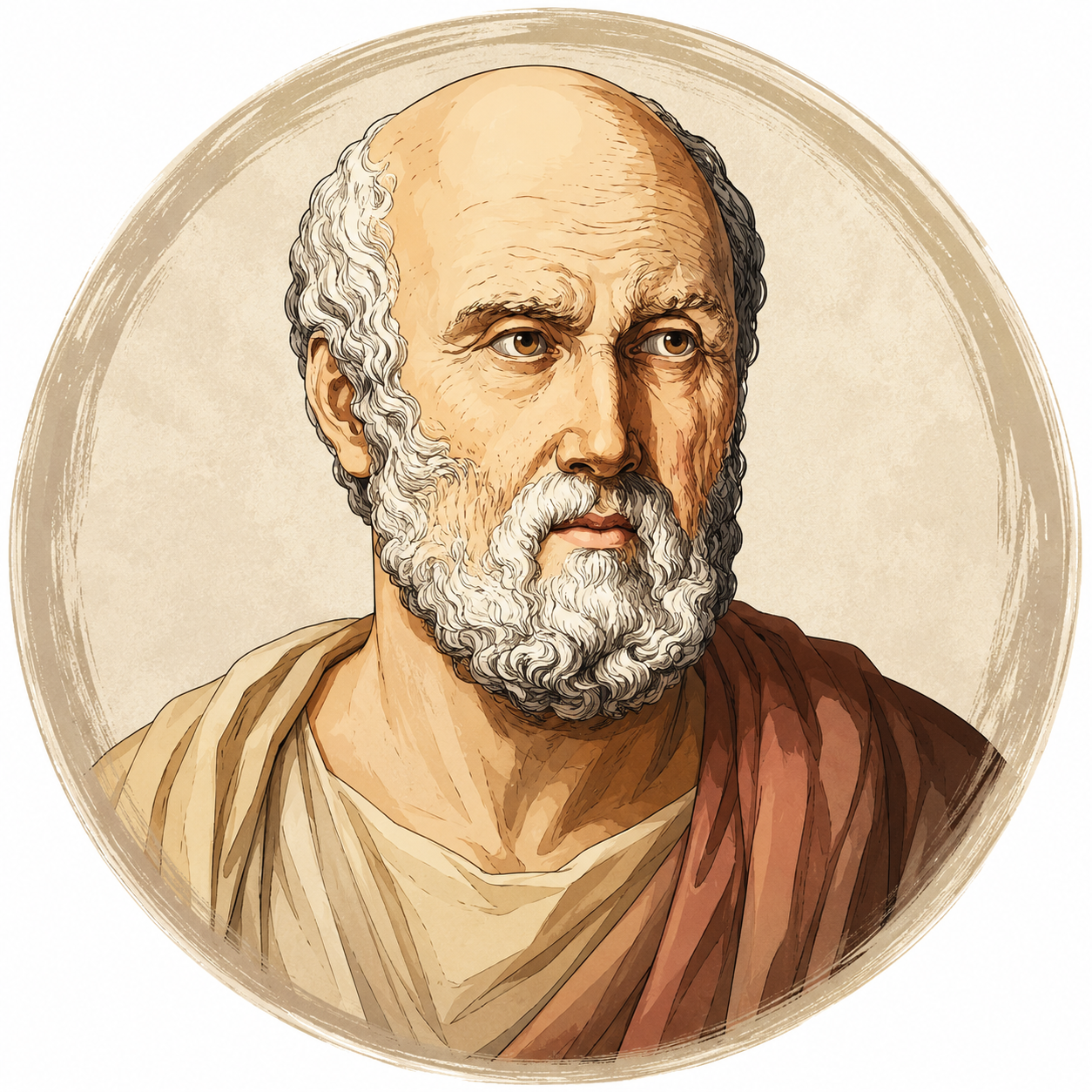
Hippocrates
Father of medicine; linked disease to environment, not superstition
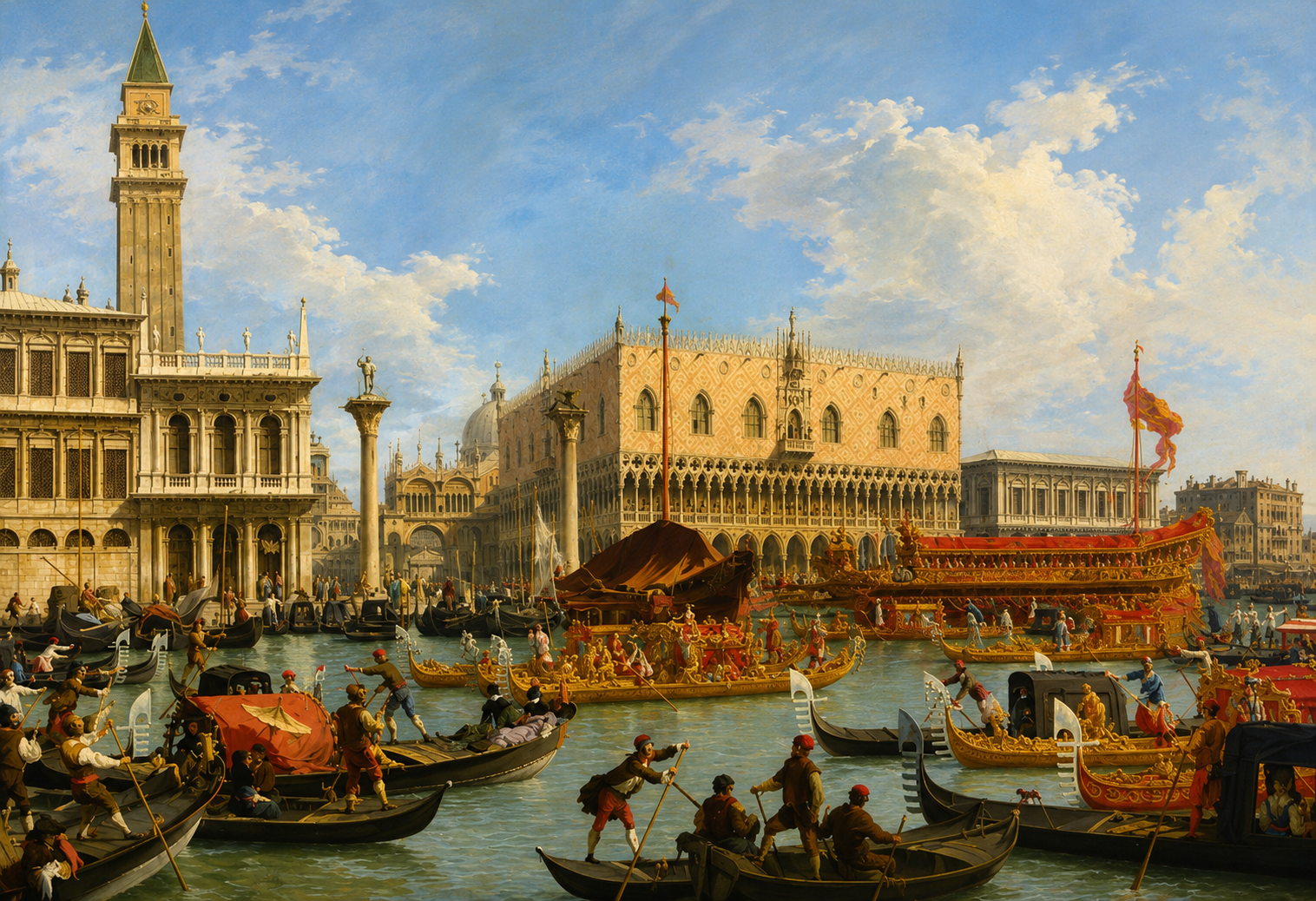
Quarantine Origins
Venice’s 40-day ship isolation gave us the word “quarantine”
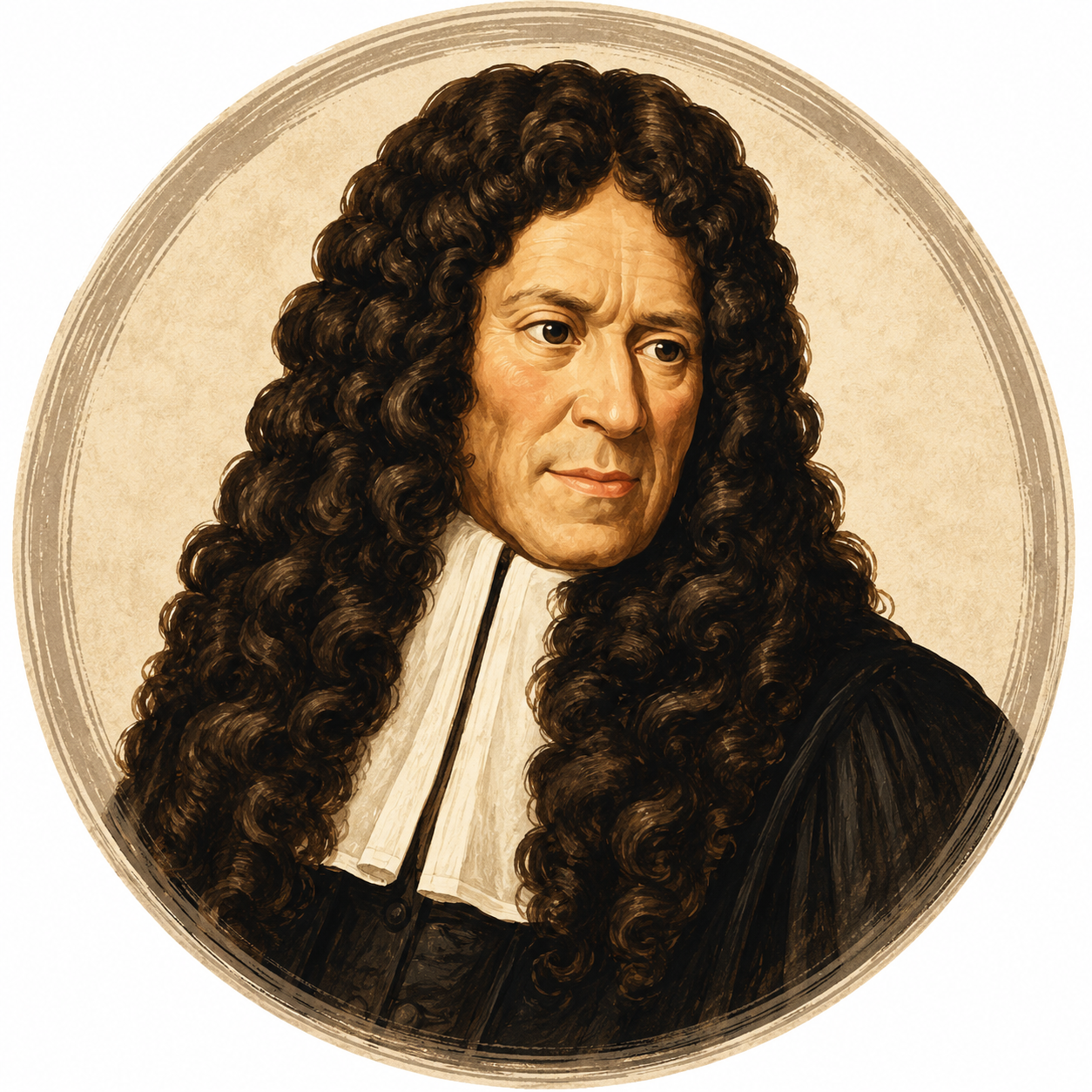
Bernardino Ramazzini
Father of occupational medicine; studied diseases caused by work
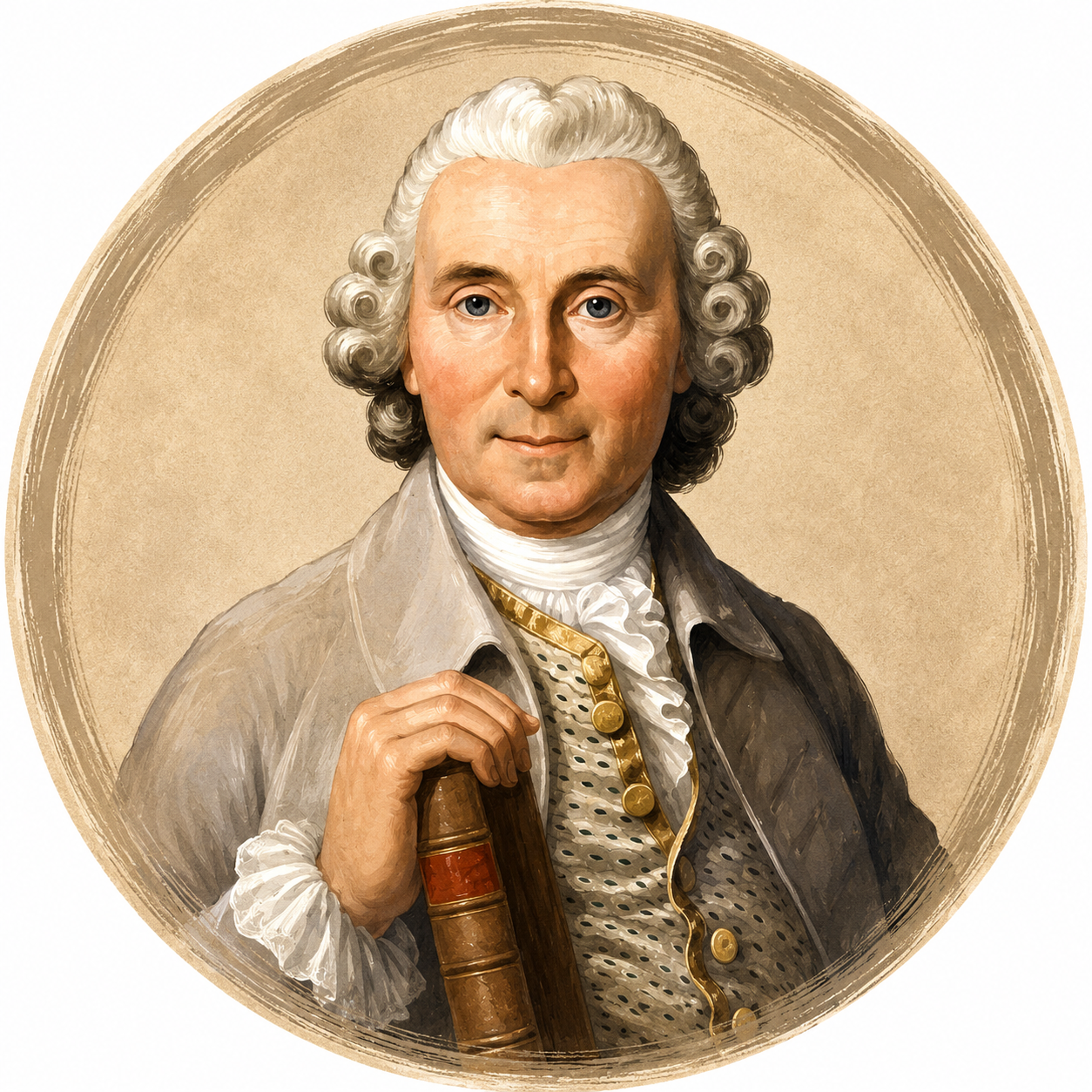
James Lind
Ran the first clinical trial, proving citrus cured scurvy
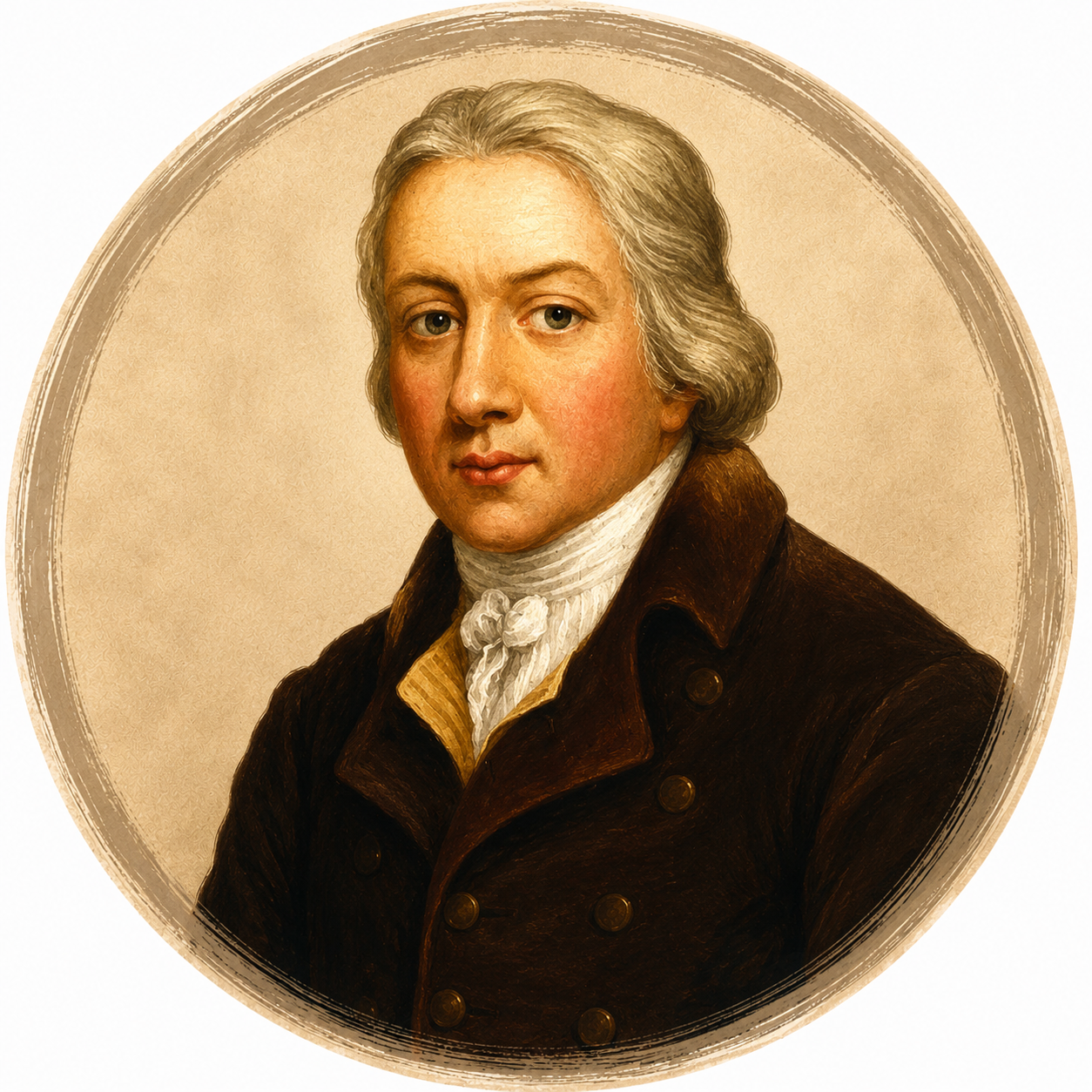
Edward Jenner
Developed the first vaccine, against smallpox
1800 – 1950
Sanitation & Germ Theory
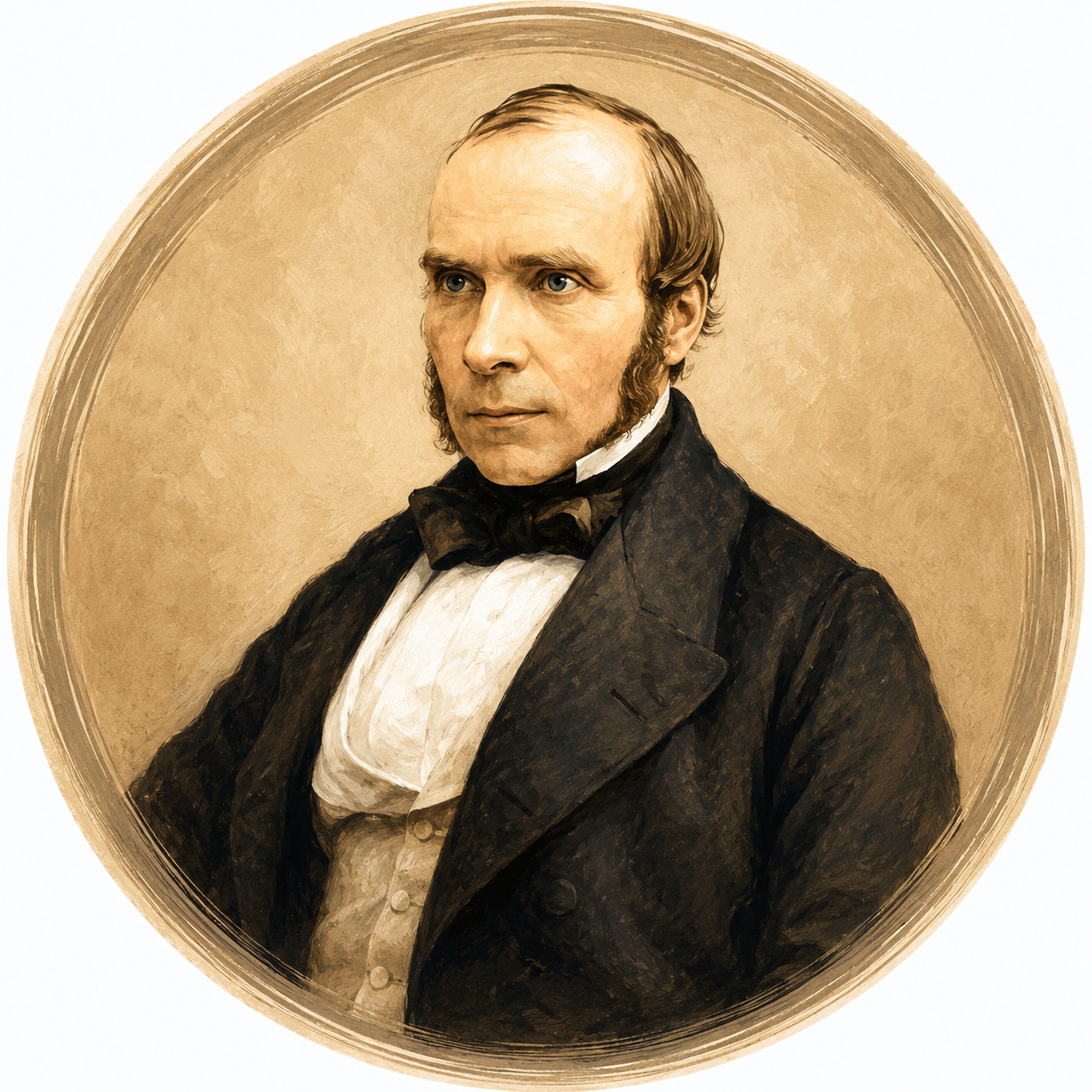
John Snow
Traced cholera to the Broad Street pump, founding epidemiology
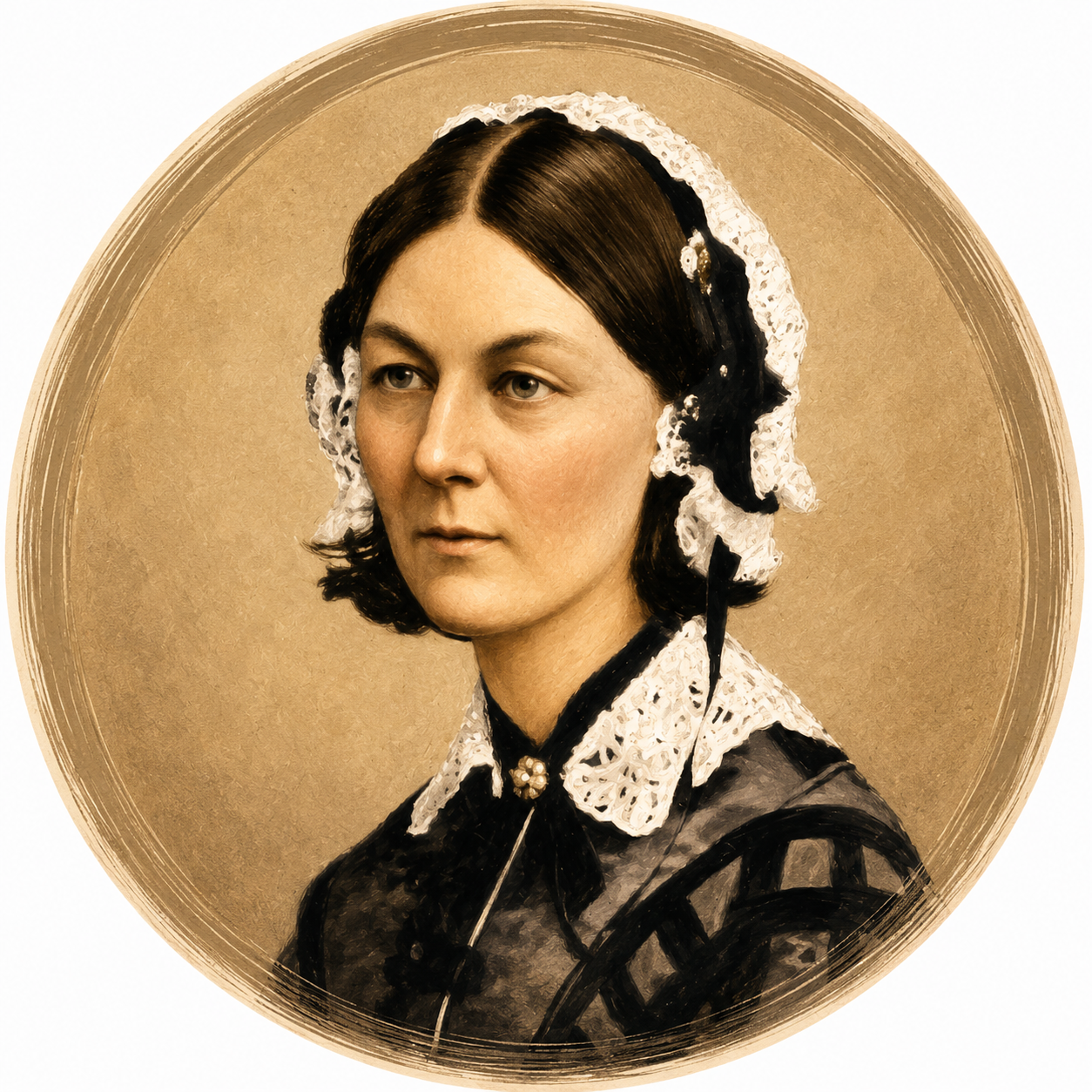
Florence Nightingale
Used data and hygiene to transform nursing and hospitals
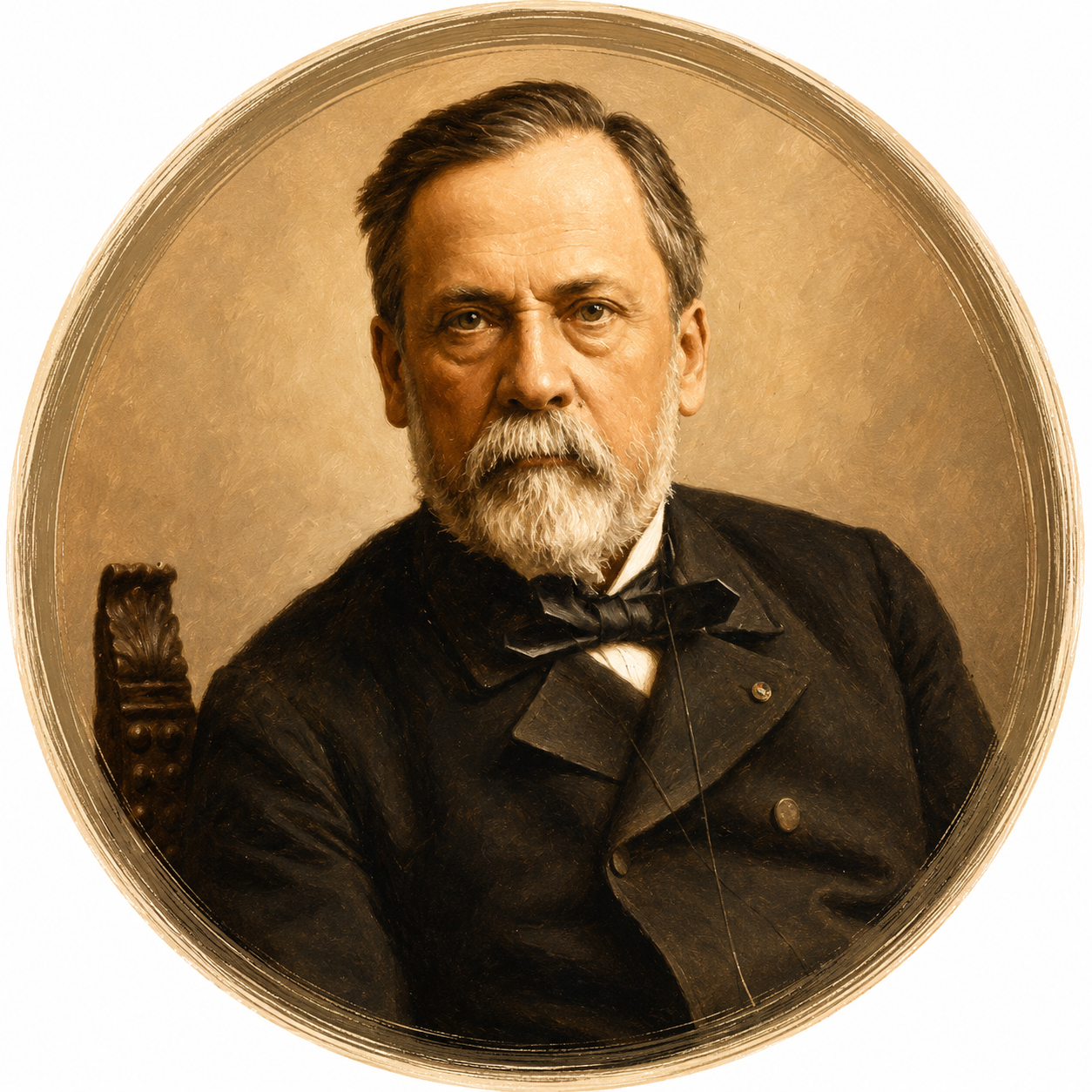
Louis Pasteur
Proved germ theory and developed vaccination methods
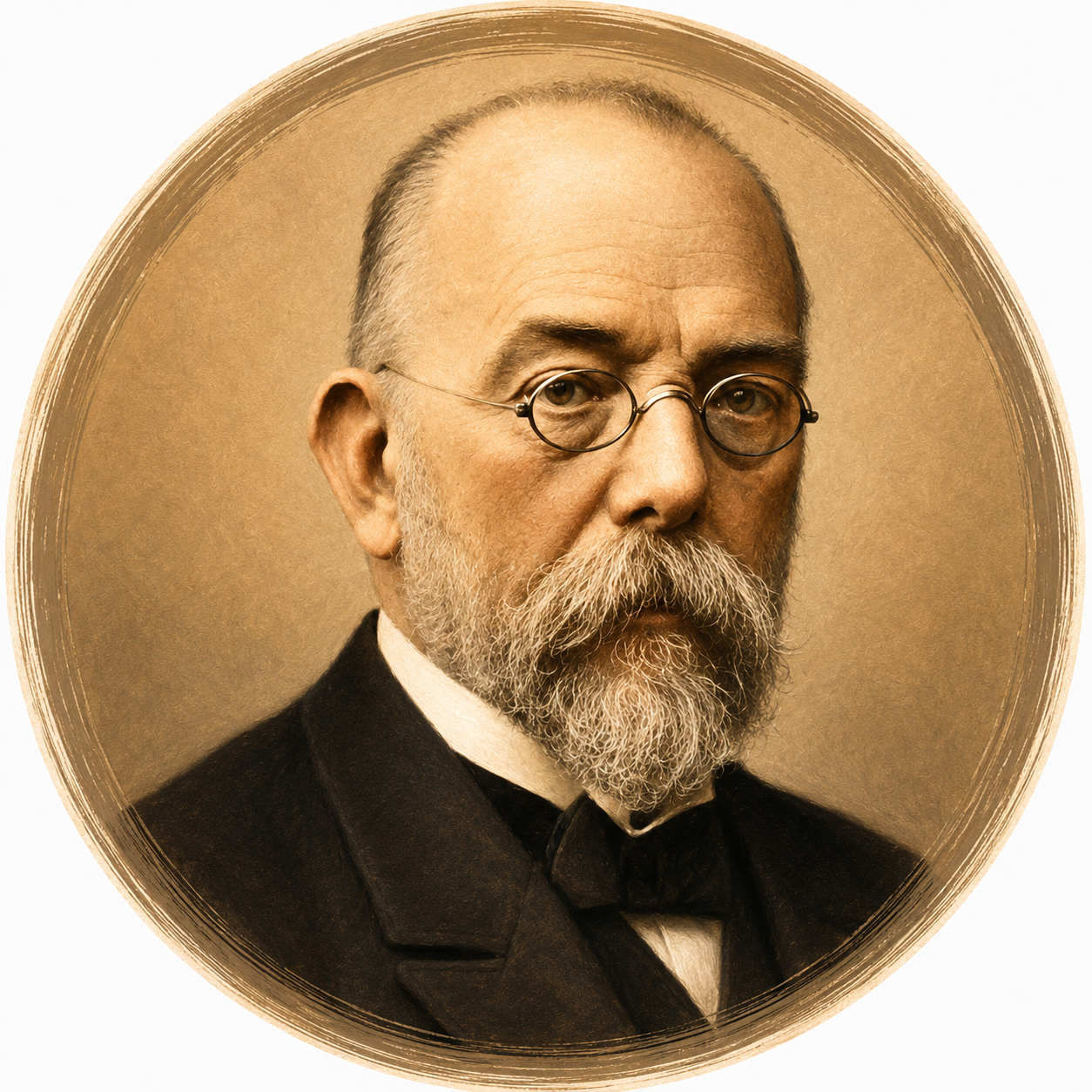
Robert Koch
Identified the bacteria causing TB, cholera and anthrax
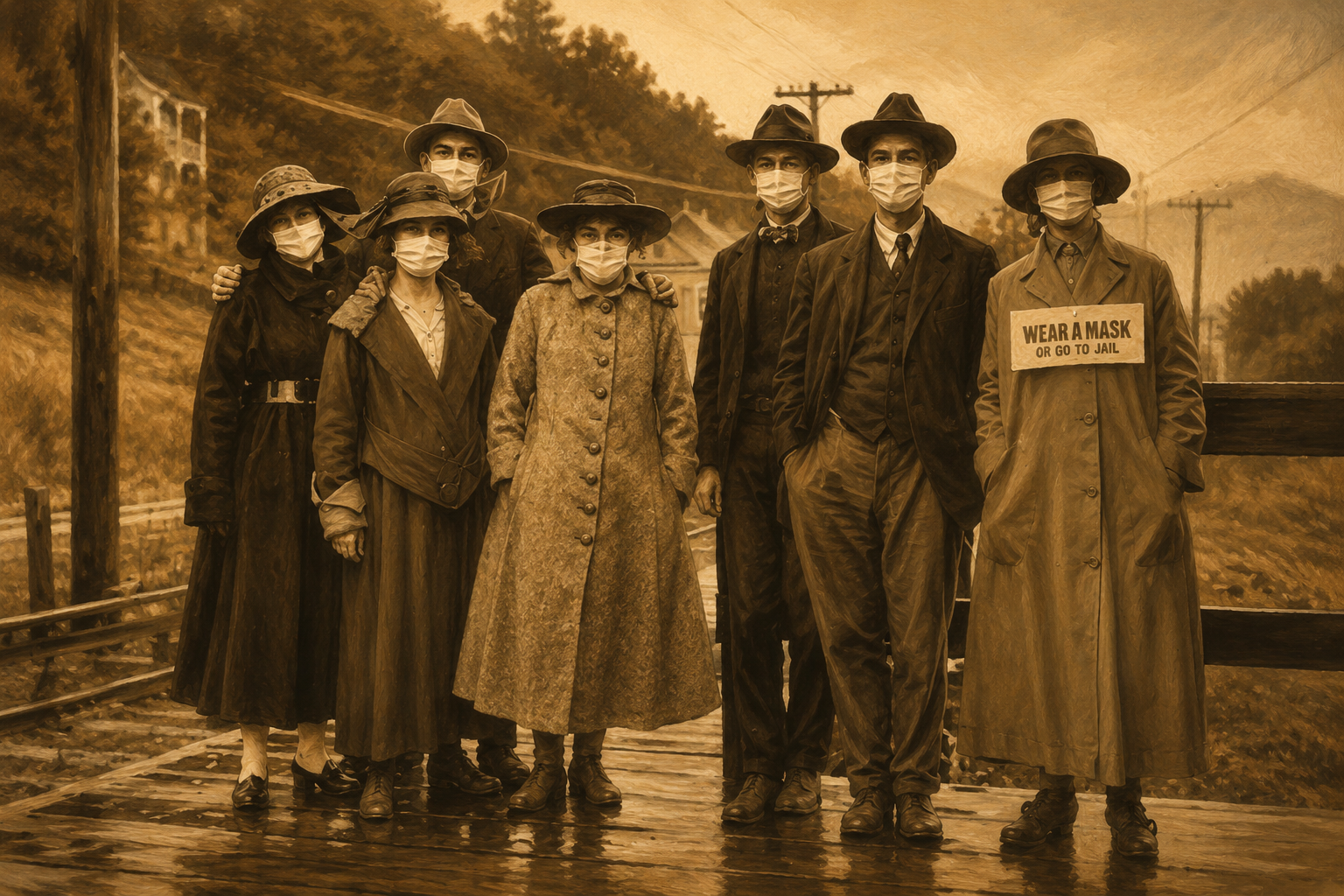
1918 Influenza Pandemic
Global flu that killed tens of millions and reshaped public health
1950 – Present
Modern & Global Era
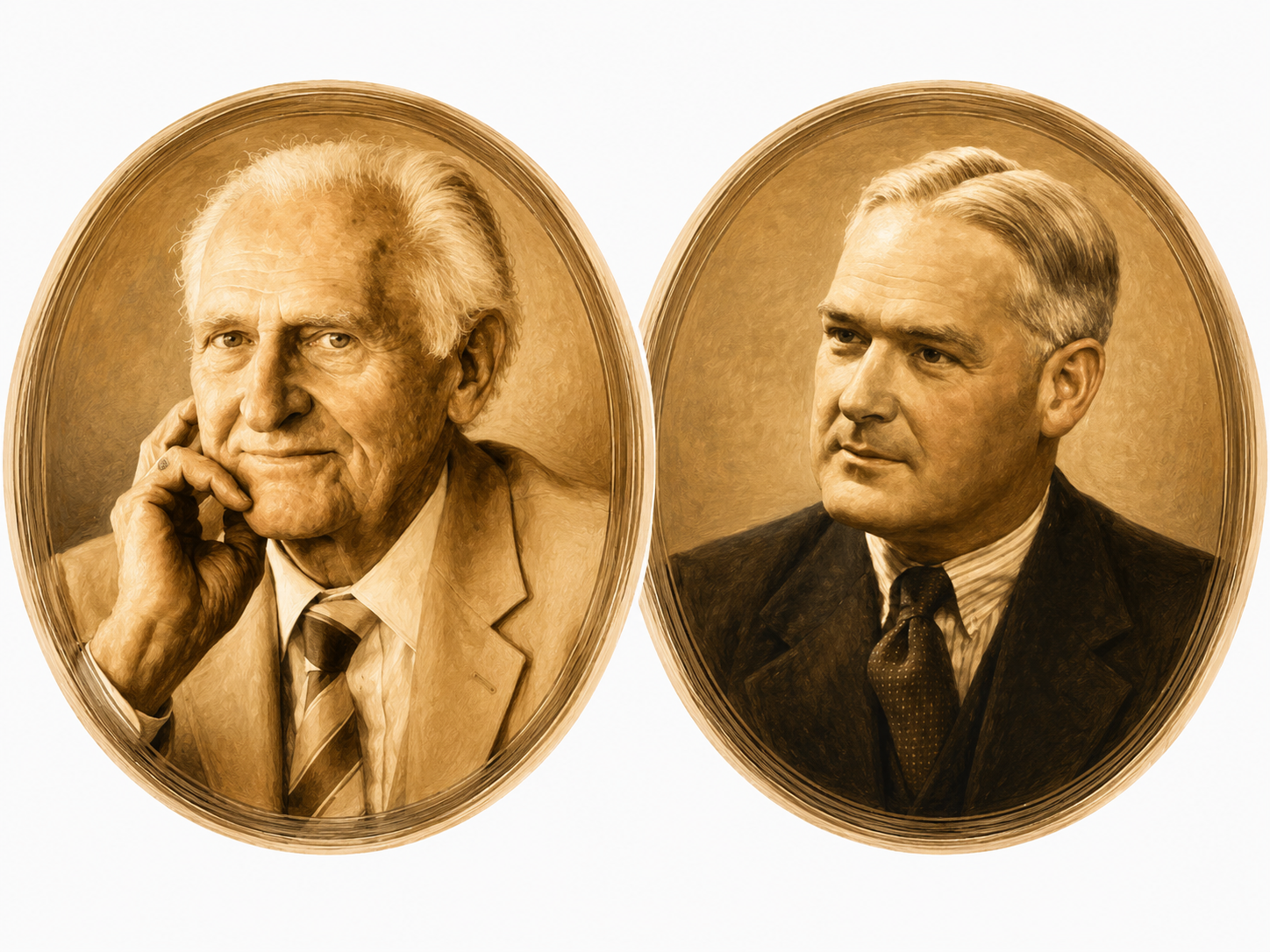
Doll & Hill Study
Proved smoking causes lung cancer
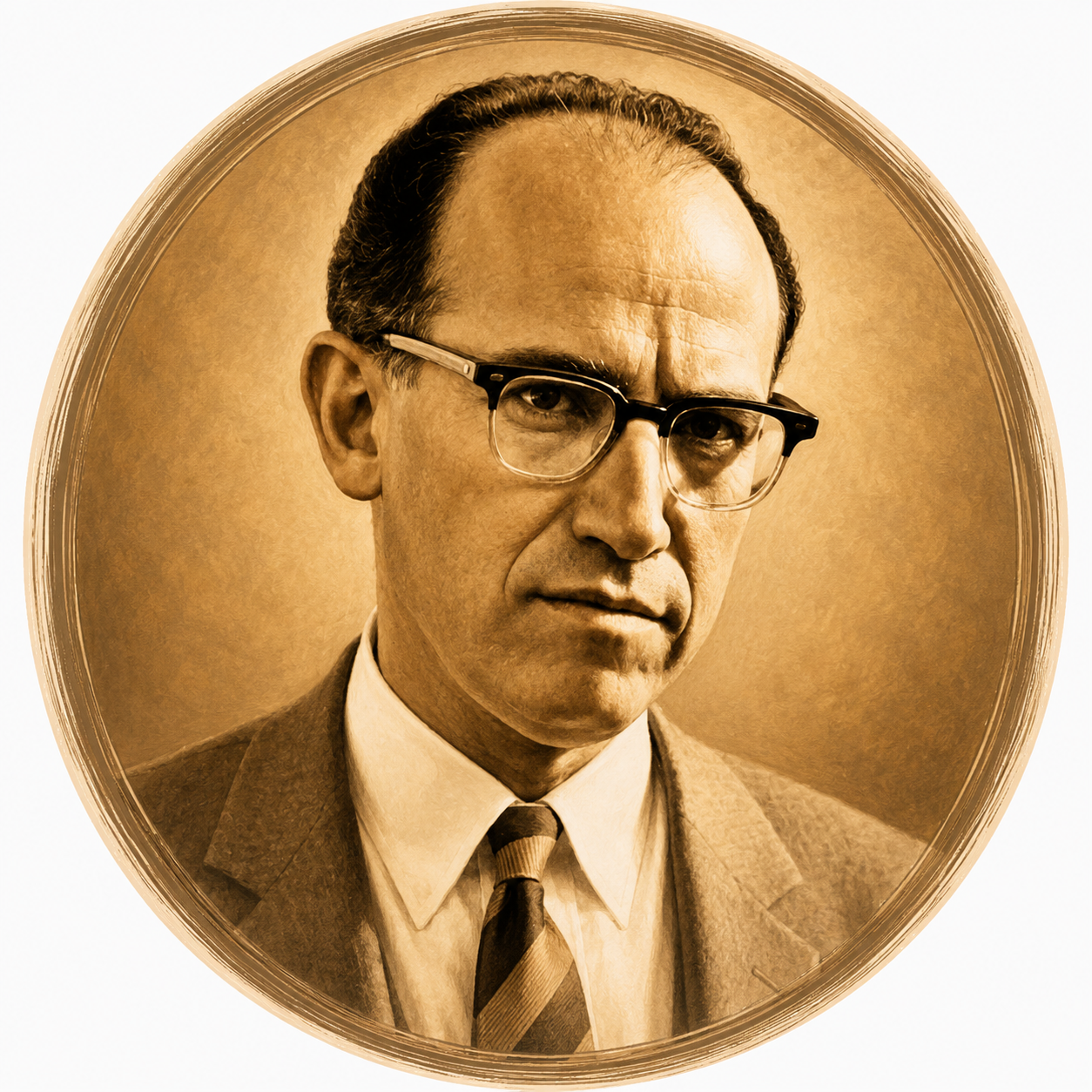
Jonas Salk
Created the first effective polio vaccine
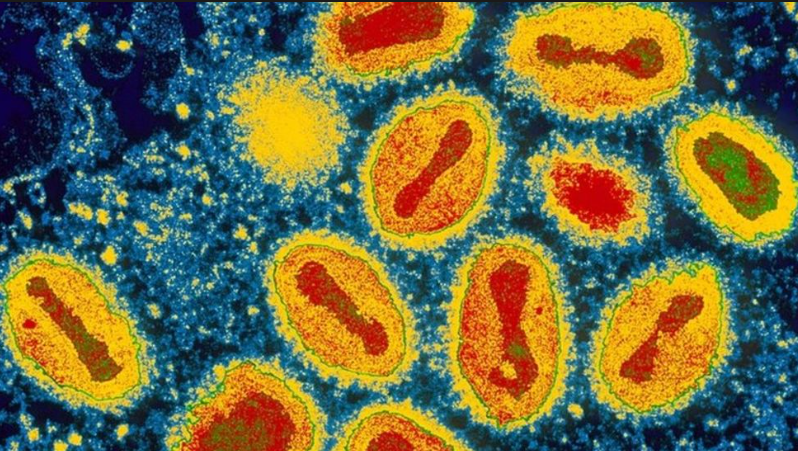
Smallpox Eradication
First disease wiped out worldwide through vaccination
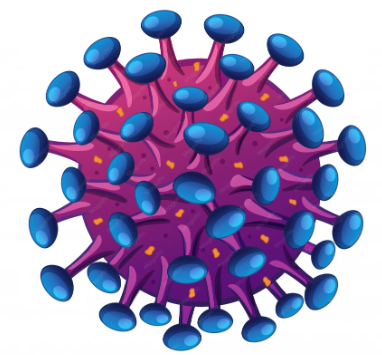
HIV/AIDS Response
Global effort turned a fatal epidemic into a manageable disease
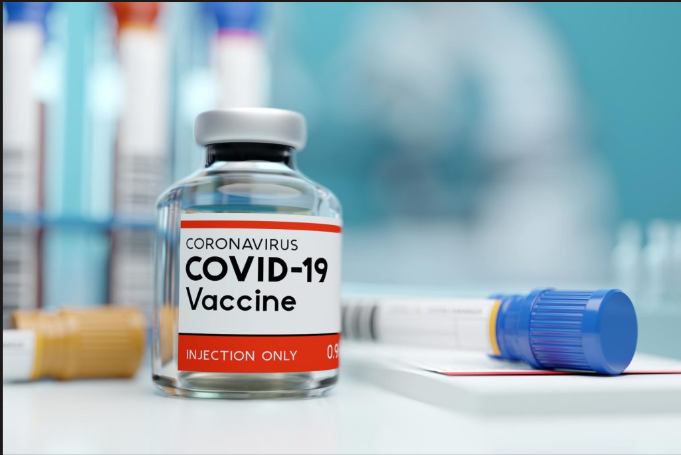
COVID-19 & mRNA Vaccines
Pandemic that spurred the fastest vaccine development in history